

How NYC Weather Shapes Your Game: 17. How Climate Influences the Way Soccer is Played by Region
Introduction: why “17. How Climate Influences the Way Soccer is Played by Region” matters for NYC football and ICFootball Club
Section 1: Context and challenges around “17. How Climate Influences the Way Soccer is Played by Region” in New York City
What the topic really means
“17. How Climate Influences the Way Soccer is Played by Region” matters a lot when you play outdoors in New York City. At ICFootball Club, we see how cold winters, humid summers, and rainy evenings change the way people move, pass, and even choose their boots. Many players search things like “Soccer for adults NYC”, “Pickup soccer NYC”, and “Weekend soccer NYC” because they need flexible options around the weather. Others ask “How can I join an amateur soccer league in New York?” or look for “Soccer league for beginners NYC”. ICFootball Club answers these needs with welcoming leagues, balanced levels, and weather-smart formats. You can learn more on itscalled-football.com, on Instagram, or register through myleagues-itscalledfootball.com.
“17. How Climate Influences the Way Soccer is Played by Region” looks at how weather shapes style, tactics, and habits. Hot countries often play slower, possession-heavy games. Colder, wetter regions sometimes favor long balls and more direct play. In New York City, players experience a bit of everything. Winters bring frozen fields. Summers bring heat waves and heavy humidity. Spring and fall can be windy and wet. Therefore, climate in NYC pushes players to adapt constantly.
NYC’s four seasons, four different games
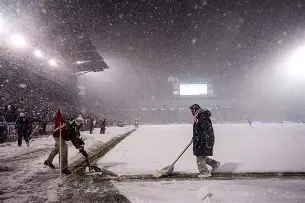
During winter, fields harden, turf freezes, and outdoor schedules shrink. Many players move to indoor soccer or futsal. In summer, late kickoffs help avoid heat, but humidity still affects pressing and sprinting. Spring and fall often bring rain, slippery turf, and tricky bounces. These shifts change how fast teams press, how high they defend, and how much they rotate players. ICFootball Club plans leagues and pick-up formats around these conditions so play stays fun and safe.
Typical challenges for NYC amateur players
Players in New York often face cancelled games, waterlogged grass, or turf that feels like concrete in January. Footwear can feel wrong from one month to the next. Hydration and recovery become harder in the summer. Fitness plans also get disrupted. Many people never learn how to adjust tactics to wind or heavy rain. Others cannot find flexible leagues that switch between Outdoor soccer NYC and Indoor soccer NYC when the weather turns. ICFootball Club fills that gap with smart scheduling and format choices.
Section 2: Practical insights, expert tips and ICFootball Club’s role
How climate shapes soccer styles worldwide
To really answer “17. How Climate Influences the Way Soccer is Played by Region”, we can look at global examples. Warmer regions often build technical, ball-to-feet styles, as seen in Brazil or Spain. Sports science writers at Science for Sport explain that heat and humidity reduce high-intensity running and increase fatigue. Colder, wetter climates often produce more direct, physical play, which outlets like The Athletic discuss when comparing English and Southern European leagues. These patterns come mainly from long-term adaptation to local weather and field conditions.
Translating global patterns to NYC pitches
New York’s mixed climate means players need hybrid styles. In humid July, heavy pressing for 90 minutes is unrealistic. Teams often sit a bit deeper, pass smarter, and use more rotations. On cold, windy November nights, long balls and set pieces become powerful tools. Therefore, tactics must match the season. ICFootball Club helps by offering different formats year-round. Small-sided summer leagues emphasize ball control and short passing. Winter futsal sessions highlight quick touches on a consistent indoor surface. Outdoor leagues in spring and fall balance both.
Field type, footwear, and tempo in NYC
Climate affects fields as much as players. Turf in winter gets stiff and fast. Rain leaves slick surfaces that reward clean first touches and low passes. Sunny days on older turf can feel very hot and bouncy. As conditions change, footwear and tempo must shift too. Light boots with good traction matter on wet turf. Sturdier soles help when the ground freezes. ICFootball Club guides players on gear choices through captains, chats, and league emails. This support helps beginners and experienced players avoid injuries and keep control of the ball.
Scheduling, player welfare, and flexible formats
Climate also shapes when and how often people can play. In NYC, early afternoon summer games can be dangerous due to heat index. Cold, late-night winter games risk muscle strains. Player safety depends on smart scheduling and flexible competition formats. ICFootball Club organizes evening and weekend games at times that consider temperature and daylight. When outdoor conditions become too harsh, leagues shift to Indoor soccer NYC or futsal-style courts. This climate-aware planning keeps the New York soccer community engaged all year, not just in perfect weather.
Why ICFootball Club’s model fits NYC’s climate
Many players ask, “How do I join a soccer league in NYC that still runs when the weather changes?” ICFootball Club answers with variety and support. The club offers different levels, from casual pickup to competitive Soccer tournaments NY. It also helps players find teams with similar fitness and schedule needs. Because the organizers study seasonal patterns, they adjust league calendars and pitch choices. This climate-smart approach means games are rarely wasted. Sessions feel tailored to the city’s real conditions rather than a fixed, inflexible plan.
Section 3: Actionable steps and how to get started with ICFootball Club
1. Map your personal “climate season” in NYC
Think about when you play best. Some players thrive in cool, dry fall evenings. Others like summer nights under the lights. Note which months feel toughest. Then match that to ICFootball Club’s calendar. Join a more relaxed division in peak heat. Choose a faster league in spring or fall. This way, climate works for you, not against you.
2. Adjust your style to each season
In humid summer, focus on short passing, smart pressing, and frequent subs. In cold, windy months, practice long diagonals, set pieces, and strong defensive shape. ICFootball Club captains and organizers can suggest divisions that fit your style. They can also guide beginners toward formats where climate has less impact, like futsal or indoor leagues.
3. Build a climate-ready gear kit
Prepare simple seasonal kits. For winter, pack base layers, gloves, and a light hat. In summer, bring an extra shirt, electrolytes, and sunscreen. Keep two pairs of boots if possible: one for hard, dry turf and one for wet days. ICFootball Club often shares field conditions and reminders before matches. Use those updates to decide what to bring so you stay comfortable and safe.
4. Use ICFootball Club platforms to plan around weather
Visit itscalled-football.com to see league formats by season. Then use myleagues-itscalledfootball.com to register, join a team, or find pickup games that fit your schedule. Follow the club on Instagram for last-minute weather updates and Community soccer events NYC. This digital ecosystem makes it easy to react when conditions change quickly.
5. Start with climate-friendly formats if you are new
If you are just starting, choose leagues with shorter games or fewer players in extreme months. Futsal NYC and indoor divisions reduce weather stress and let you focus on skills. ICFootball Club offers a Soccer league for beginners NYC that often uses these formats. As you grow more confident and fit, add outdoor competitions in your favorite seasons. This step-by-step path keeps the game fun.
6. Join the ICFootball Club community today
Climate will always shape how soccer is played by region, especially in New York. However, you do not have to face that challenge alone. ICFootball Club brings together players, organizers, and coaches who understand NYC’s fields, seasons, and schedules. Visit itscalled-football.com, check Instagram, and register at myleagues-itscalledfootball.com. Then join a league, pickup game, or tournament that fits both your level and the season. Start playing smarter, in any weather.
FAQ about “17. How Climate Influences the Way Soccer is Played by Region” and ICFootball Club
- How does ICFootball Club adapt to “17. How Climate Influences the Way Soccer is Played by Region” in NYC?
ICFootball Club adapts by changing formats, kick-off times, and field choices to match each NYC season, keeping games safe and enjoyable. - Does climate affect which ICFootball Club league I should join in New York City?
Yes. In hotter months, ICFootball Club suggests evening or indoor leagues, while in cooler seasons it offers more outdoor divisions and higher-intensity formats. - How does NYC’s winter climate influence tactics in ICFootball Club matches?
Winter climate favors compact defending, direct passing, and futsal or indoor play, so ICFootball Club structures leagues to support these tactical needs. - Can beginners learn about “17. How Climate Influences the Way Soccer is Played by Region” through ICFootball Club?
Beginners learn quickly because ICFootball Club explains field conditions, gear, and seasonal tactics in its beginner-friendly leagues and communications. - Where can I register with ICFootball Club to play soccer in any NYC climate?
You can sign up for climate-aware leagues and pickup sessions on myleagues-itscalledfootball.com and find full details on itscalled-football.com.